
You've Decided. Now What?
Eyes Color Lab Miami
Eyes Color Lab Miami
The hardest part is already behind you — you’ve made the decision to explore keratopigmentation. What remains is understanding the process itself: what happens at the consultation, what the procedure actually involves, and what recovery looks like in practical terms. Not in clinical abstractions, but in the kind of detail that lets you plan your week, manage your expectations, and walk into Eyes Color Lab feeling fully prepared.
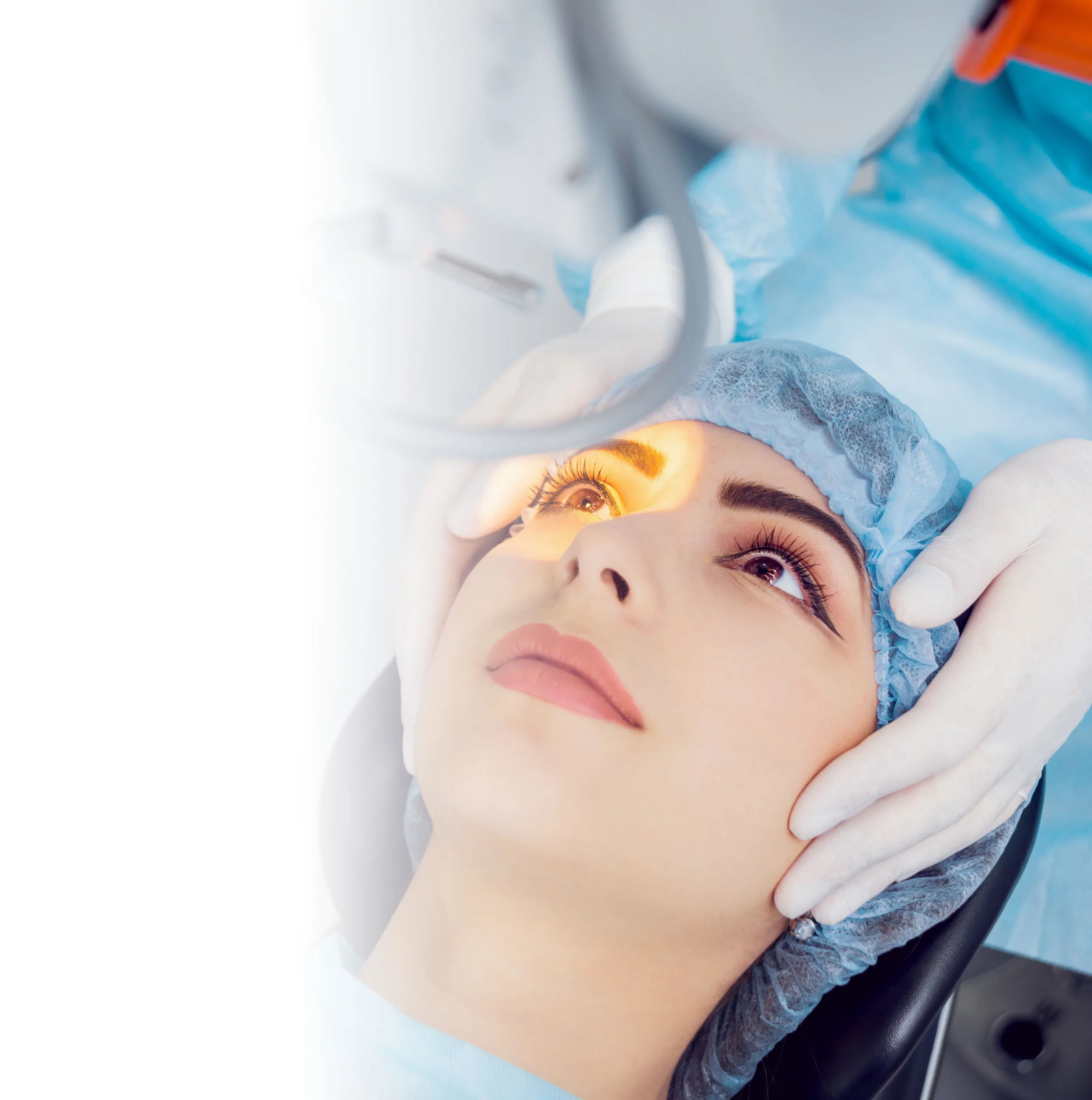
The Consultation: More Than a Formality
Every keratopigmentation procedure at Eyes Color Lab begins with a comprehensive eye evaluation. This isn’t a sales meeting with a clinical veneer — it’s a genuine medical assessment performed by Dr. Jorge Cesar Bruno, our Board-Certified Ophthalmologist.
During the consultation, several things happen simultaneously. First, a thorough examination of your eye health: corneal thickness, tear film quality, intraocular pressure, and a detailed look at the structures of the front and back of the eye. This matters because keratopigmentation involves the cornea, and the cornea needs to meet specific health criteria for the procedure to be both safe and effective.
Second, a conversation about your goals. What color are you envisioning? What intensity? What does the ideal outcome look like to you? Our team uses this conversation, combined with color simulation tools, to preview potential results on your actual face — so you’re not making decisions based on imagination alone.
Third, an honest discussion about candidacy. Not every patient is a candidate for keratopigmentation, and we’d rather tell you that during the consultation than discover a complicating factor during the procedure. Conditions like keratoconus, severe dry eye, or certain corneal irregularities may affect eligibility. If something disqualifies you, we’ll explain why and discuss alternatives where appropriate.
The consultation typically lasts between 45 minutes and an hour. By the end of it, you’ll know whether you’re a candidate, what color and intensity are recommended for your features, and exactly what the procedure involves. No ambiguity, no pressure.
Preparing for the Procedure
Preparation for keratopigmentation is minimal compared to many medical procedures, which is part of its appeal.
If you wear contact lenses, you’ll be asked to stop wearing them for a period before the procedure — typically one to two weeks for soft lenses, longer for rigid or gas-permeable lenses. This allows the cornea to return to its natural shape, which is important for the precision of the laser work.
On the day of the procedure, arrive with a clean face — no eye makeup, no creams or lotions around the eye area. Bring sunglasses for the trip home, as your eyes will be light-sensitive afterward. Arrange for someone to drive you, or plan to use a ride service. You won’t be in any condition to drive immediately after.
Eat normally. There’s no need to fast. The procedure uses topical anesthesia — numbing eye drops — not general sedation, so your stomach contents are irrelevant.
The Procedure Itself
Keratopigmentation at Eyes Color Lab takes approximately 30 minutes per eye. Here’s what happens, step by step.
You’ll be positioned comfortably in a reclined chair. Numbing drops are applied to the eye — these take effect within minutes and eliminate pain during the procedure. You’ll be awake and alert throughout. Some patients describe feeling mild pressure or awareness of activity around the eye, but not pain.
A femtosecond laser — the same type of laser used in premium LASIK procedures — creates a precise, controlled pocket within the corneal tissue. This pocket is measured in microns and positioned at a specific depth, calculated based on your pre-operative measurements. The precision of this step is what makes the procedure safe: the laser doesn’t penetrate into the interior of the eye.
Once the corneal pocket is created, biocompatible pigment is carefully introduced into the space. The pigment color and concentration have been determined during your consultation, customized to achieve the specific shade and intensity you selected. The pigment settles into the pocket, and the corneal tissue seals naturally over it.
That’s it. There are no sutures. There’s no incision that needs to close. The eye’s natural healing process takes care of the rest.

Immediately After: The First Few Hours
When the numbing drops wear off — usually within an hour or two — you’ll experience some discomfort. Most patients describe it as a gritty or sandy sensation, similar to having something in your eye. Tearing and light sensitivity are common. These symptoms are normal and expected.
Your vision will be blurry. This is temporary. The cornea is adjusting to the presence of the pigment, and there’s mild swelling that resolves over the following days. Do not be alarmed by the blurriness — it does not reflect the final outcome.
You’ll be sent home with medicated eye drops: typically an antibiotic to prevent infection and an anti-inflammatory to manage swelling. The drop schedule is straightforward and our team will walk you through it before you leave. Follow it exactly as prescribed.
For the rest of the day, keep your eyes closed as much as possible. Dark rooms are your friend. Sleep if you can. The more rest your eyes get in the first 12 to 24 hours, the smoother the recovery tends to be.
Days 1 Through 3: Early Recovery
Most patients notice a significant improvement by the morning after the procedure. The gritty sensation diminishes. Light sensitivity eases. Vision begins to clear, though it may still fluctuate.
During these first few days, avoid rubbing your eyes — even if they itch. Avoid swimming, hot tubs, and saunas. Avoid dusty or smoky environments. Wear your sunglasses outdoors. Continue your eye drop regimen without skipping doses.
Many patients return to desk-based work within two to three days. If your job involves physical labor, heavy lifting, or significant dust exposure, plan for a slightly longer recovery window.
Week 1 to Week 4: Settling In
Over the first month, the color settles and stabilizes. The shade you see at day three is not the shade you’ll see at day thirty — the pigment needs time to fully integrate with the corneal tissue, and mild swelling during the first week can alter the perceived color temporarily.
By the end of the first week, most patients are functionally back to normal. Vision has stabilized. Discomfort is gone. The color is becoming clearer and more defined.
By the end of the first month, what you see in the mirror is very close to the final result. The pigment has settled into its permanent position, the cornea has healed completely, and the color has reached its true depth and saturation.
A follow-up appointment at Eyes Color Lab is scheduled during this period to evaluate healing, assess the result, and address any questions. Check our results page to see what real patients look like at this stage.
Long-Term: Living With Your New Eye Color
Once healed, keratopigmentation requires no ongoing maintenance specific to the procedure. You wear your new eye color the way you wear your natural one — it’s simply part of you.
Regular eye exams remain important, as they do for everyone. If you ever need LASIK, PRK, or cataract surgery in the future, the presence of corneal pigment does not prevent these procedures — though it’s important that any future eye care provider is aware of your keratopigmentation history.
The pigment is stable. It doesn’t migrate, doesn’t wash out, and doesn’t change color over time. What you see at the one-month mark is, functionally, what you’ll see at the ten-year mark.
Is It Really That Straightforward?
In most cases, yes. The procedure is shorter than a dental cleaning. The recovery is faster than LASIK. The result is permanent and requires nothing from you after the first month of healing.
That doesn’t mean it should be taken lightly. It’s still a medical procedure on one of the most sensitive and important organs in your body. The reason it goes smoothly is because of the preparation — the thorough consultation, the precise laser technology, the experience of the surgeon performing it, and the quality of the pigments used.
At Eyes Color Lab, all of those elements are in place. Dr. Bruno’s decades of ophthalmological experience, the clinic’s investment in femtosecond laser technology, and the sanctuary-like environment of our Coral Gables facility are designed to make the process as smooth and comfortable as the result is striking.
Have questions we haven’t covered? Visit our FAQ page or contact us directly at (786) 786-1134 to schedule your consultation.